

With regard to buying assets such as cars, machinery, and buildings, there is one question that people find themselves struggling with most of the time. This is whether to lease and finance the asset. Though both financing and leasing may seem almost alike at first look because both offer you the chance to use an asset without having to pay its total cost immediately, there are some distinct differences.
What is Leasing?
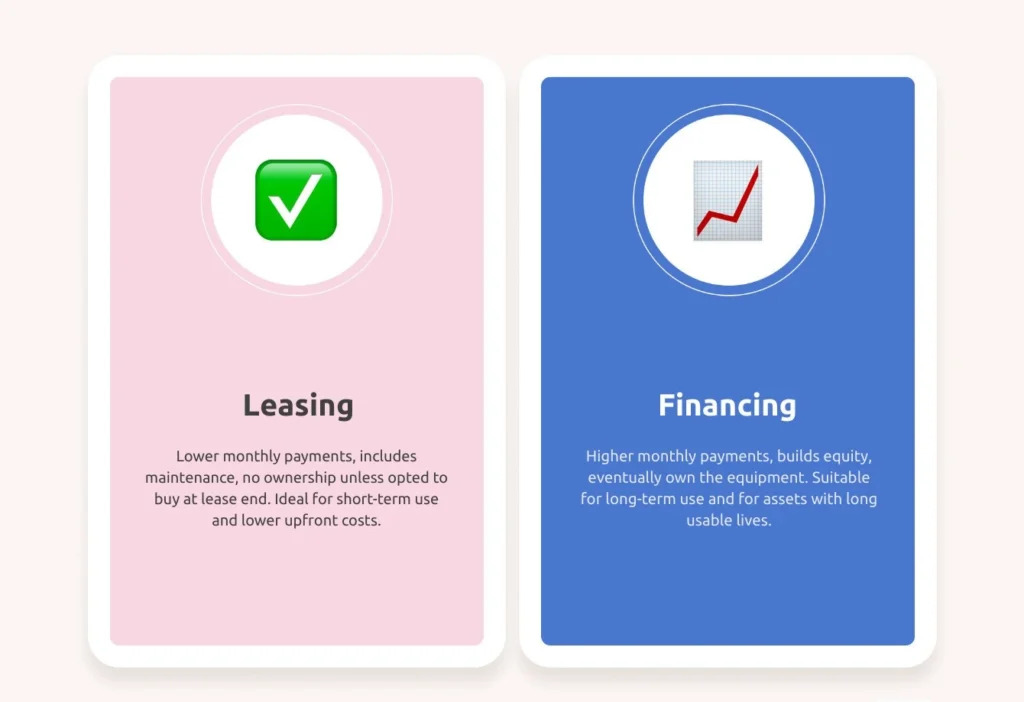
Leasing is simply renting the asset on a fixed term basis. The asset is rented by paying regular installments; however, you don’t own the asset.
In case of leasing a car, you get the opportunity to drive it for a couple of years; however, upon expiration of the term of agreement, you will have to return or extend the agreement.
Features of Leasing:
• Low installments
• No ownership after agreement
• May include maintenance
• Perfect for temporary use
Leasing is preferred by those people who like to change their assets from time to time without any obligation.
What is Financing?
Financing involves borrowing money, mostly from a loan, to buy an asset. The asset will be paid for using monthly repayments. Once the loan is repaid, the asset belongs to you fully.
In case you finance your car, you are paying for its full ownership.
Characteristics of Financing:
• Monthly repayments are high
• The asset belongs to you upon repayment
• Unrestricted use
• Long-term investments
Financing is ideal for people who need a long-term commitment towards ownership.
Key Differences Between Lease and Finance
Understanding the difference between lease and finance becomes easier when you compare them directly:
1. Ownership
• Lease: Non-ownership
• Financing: Ownership once payment is complete
2. Monthly Installments
• Lease: Lower monthly payments
• Financing: Higher monthly payments
3. Cost Over Time
• Lease: More costly over time (ongoing payments)
• Financing: Less costly over time (one-time payment, no further installments)
4. Flexibility
• Lease: More flexible (easier to upgrade)
• Financing: Less flexible (longer-term commitment)
5. Maintenance and Usage
• Lease: Maintenance included, but usage is limited
• Financing: Unlimited use, but maintenance is your responsibility
Which Option Should You Choose?
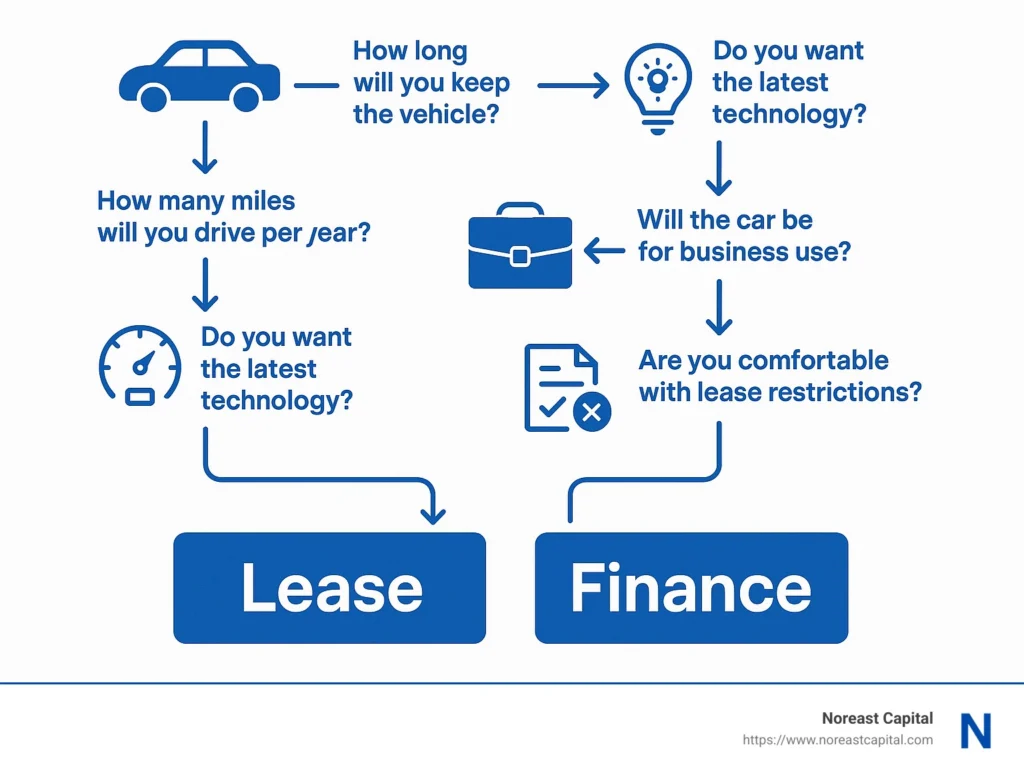
Selection between lease and finance will vary according to the individual’s financial objectives.
Leasing if:
Individuals prefer low payment schemes, like to use the latest models of vehicles, and do not mind lack of ownership.
Financing if:
They intend to own the product, avoid making lengthy payments, and create value over time.
Practical Example:
If the individual is willing to change their car after three to four years, then leasing is recommended; otherwise, if the individual wants to continue using the vehicle for 10 years, financing would be better.
Conclusion
It is not only a matter of definitions when difference between lease and finance; the two choices will have an effect on your finances. It is up to you to decide which aspect suits you more: whether you need flexibility or ownership. Whatever option you decide upon, be sure to plan well in advance.
FAQs
1. Is leasing less expensive than financing?
Leasing generally means having lower payment installments, but financing could prove to be more cost-effective.
2. Can I become the owner of a leased asset?
No, not usually. Though there may be an ownership option at the end of the lease period.
3. Is leasing or financing better for businesses?
Businesses should lease if their assets need constant upgrading while financing is suitable for long-term purchases.
4. Does financing create assets?
Once you have made all your payments, the asset will belong to you and contribute to your total assets.
5. Is leasing risky?
It may involve penalty charges for misuse; hence the terms should be well scrutinized.
Do you need information Neural Finance