
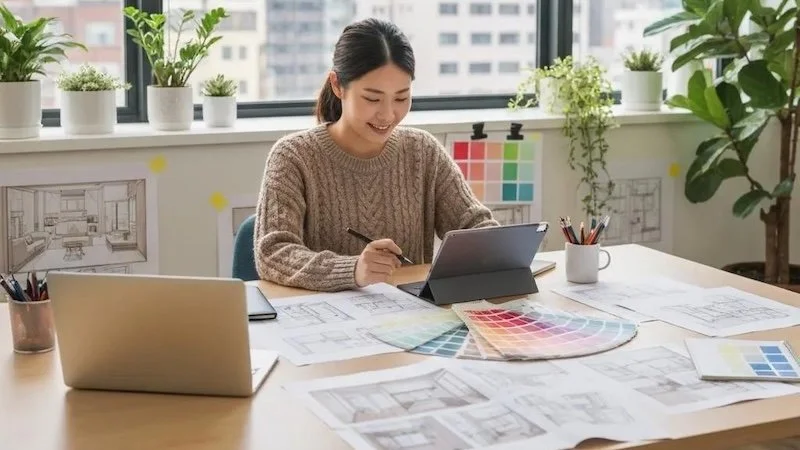
The art of creating a good-looking home involves much more than purchasing costly furnishings or keeping up with current trends. To learn how to be better at interior design MintPalDecor, you need to comprehend the basics of space, proportions, colors, functionality, and personal taste. Good interior design makes the space more comfortable, functional, and aesthetically pleasing according to one’s preferences.
If you want to renovate either one room or even the whole house, learning the basics of design will help you make decisions with confidence.
Why Interior Design Matters More Than Decoration
Interior design is a combination of beauty and utility. Decorating involves the use of accessories while interior design deals with the function and flow of the space in which people move about.
Interior design has the ability to affect mood, work performance, relaxation, and even socialization. Knowing this information is among the best methods for finding out how to be better at interior design MintPalDecor.
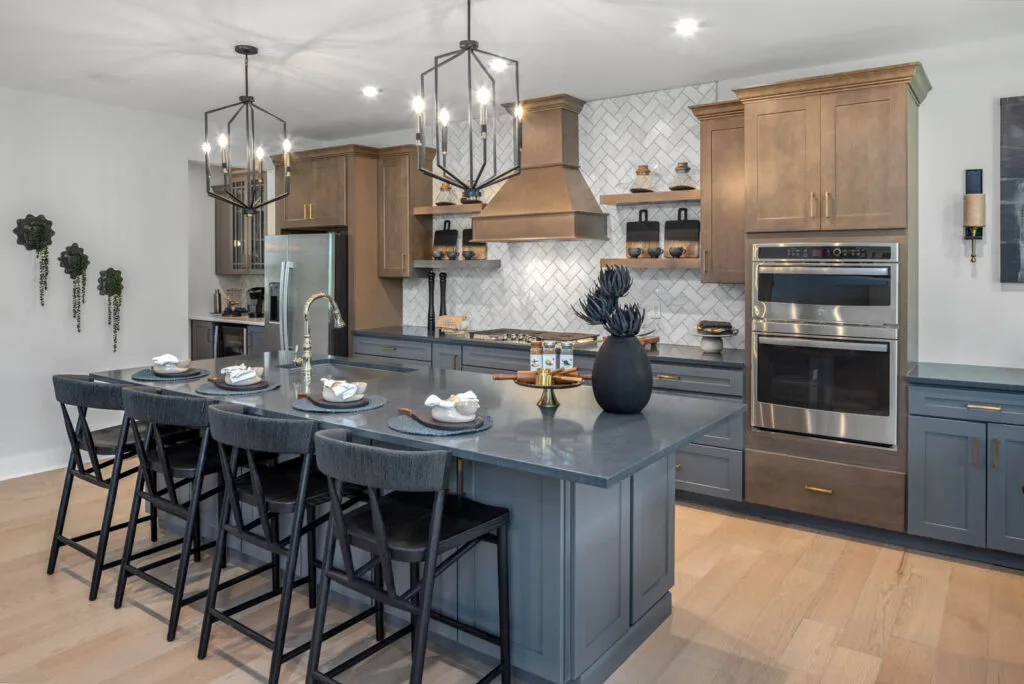
The Core Principles Every Designer Should Understand
Professional interiors rarely happen by accident. They are built around several fundamental principles that guide every design decision.
Balance
Balance creates visual stability inside a room. It determines how furniture, décor, and architectural features relate to one another.
Designers generally use three forms of balance:
| Type of Balance | Description | Best Use |
| Symmetrical | Equal arrangement on both sides | Traditional interiors |
| Asymmetrical | Different objects with equal visual weight | Contemporary spaces |
| Radial | Elements arranged around a focal point | Dining rooms and lounges |
Proportion and Scale
Proportion is the ratio of one object to another, whereas scale compares objects with the size of the room.
Large pieces of furniture in small rooms will lead to cramped space. In contrast, very small accessories in large rooms will give a feeling of detachment.
Rhythm
Rhythm leads the eyes through a room by using repetitions of patterns, textures, materials, and color.
Some examples are as follows:
• Repeated use of brass finish
• Similar shapes
• Fabric pattern match
• Architectural elements
Creating rhythm is a technique that is forgotten in learning how to be better at interior design MintPalDecor.
Understand Your Design Style Before Decorating
Homeowners frequently make buys but do not understand their design preferences.
A style identification ensures that there is consistency.
Popular Interior Design Styles
Modern Style
The modern interior style is all about cleanliness, simplicity, and absence of clutter.
Some of its features include:
• Natural color palettes
• Spaces
• Simple designs
• Functional layouts
Scandinavian Style
This style focuses on comfort, simplicity, and use of natural materials.
Some of its features include:
• Light woods
• White walls
• Fabric and soft texture
• Light colors
Transitional Style
Transitional style combines the elegant elements of the traditional style with the simplicity of modern style.
Contemporary Style
Interior design is dynamic and constantly changing based on design styles.
Some of the features include:
• Glass
• Metal
• Stones
• Sustainable materials
Identifying your preference is the first step towards understanding how to be better at interior design MintPalDecor.
Start With Effective Space Planning
No matter how nice the furniture is, bad layout will spoil it.
Space planning allows you to create a practical and comfortable room.
Measure before Buying
It is important to know always:
• Size of the room
• Position of windows
• Position of doors
• Height of the ceilings
• Paths that people will use when moving around
Experts advise leaving enough walking space to make circulation easier.
Purpose of the Room
Think about:
• Will there be guests?
• Will it be a place for relaxation?
• Will the room need storage?
• Will more than one family member use this room?
Choosing the Right Color Palette
Color can affect mood and determine how someone perceives space.
Choosing the proper color scheme is one of the most critical abilities linked to how to be better at interior design MintPalDecor.
Understanding Color Psychology
Different colors create different experiences.
| Color | Emotional Impact |
| Blue | Calm and relaxing |
| Green | Balanced and refreshing |
| Beige | Warm and inviting |
| White | Spacious and clean |
| Gray | Sophisticated and modern |
| Yellow | Energetic and cheerful |
Use the 60-30-10 Rule
Professional designers often adhere to this rule.
• 60% Dominant Color
• 30% Secondary Color
• 10% Accent Color
In this way, interiors seem harmonized and pleasing to the eye.
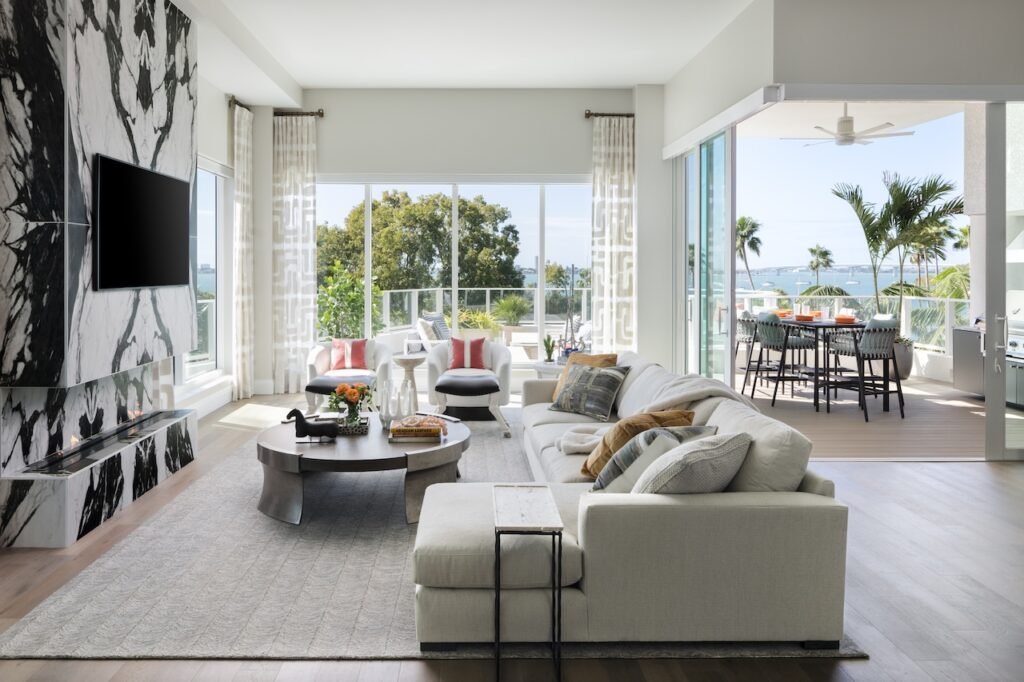
Learn the Importance of Lighting Design
The significance of lighting is not realized by many people, yet it plays a huge role in determining the interior décor.
Bad lighting reduces the effect created by even the most beautiful décor.
Three Types of Lighting
Ambient Lighting
Supplies general lighting.
Examples are:
• Recessed lighting
• Ceiling lights
• Chandeliers
Task Lighting
Created to suit certain activities.
Examples are:
• Reading lights
• Desk lighting
• Kitchen pendant lights
Accent Lighting
Highlights particular features.
Examples are:
• Wall sconces
• LED strips
• Art lighting
Lighting layering is a high-level technique for those interested in how to be better at interior design MintPalDecor.
Furniture Selection Tips for Better Interiors
Furniture affects comfort, function, and aesthetic appeal.
Focusing only on aesthetics often causes poor outcomes.
Focus on Functionality
Some factors to consider:
• Seating options
• Resistance to wear and tear
• Maintenance needs
• Storage space
Practical furniture selections ensure long-lasting satisfaction.
Do Not Crowd Spaces
One interior design pitfall is the temptation to fill up all spaces.
Maintaining breathing room creates a sense of sophistication and spaciousness.
Use Materials Wisely
Mixing materials provides texture.
For example:
• Leather with linen
• Marble with wood
• Metal with velvet
• Glass with natural materials
Layering plays a major part in learning how to be better at interior design MintPalDecor.
Creating a Strong Focal Point
Every room requires a focal point.
If there is no focal point in the interior design, then it will lack unity.
The examples of focal points are:
• Fireplaces
• Statement art pieces
• Walls that make a statement
• Big windows
• Tailored-made shelves
And the arrangement of furniture should revolve around it.
Texture Makes Spaces Feel Complete
Texture adds warmth and depth.
Minimalist settings need texture too, to prevent the space from becoming too cold.
How to Get Texture
Textiles
• Rugs
• Comforters
• Throws
Natural surfaces
• Wood
• Rock
• Rattan
Reflective surfaces
• Mirrors
• Glass
• Metal
Great designers use texture and not too many ornaments.
Interior Design Mistakes to Avoid
Understanding mistakes can accelerate improvement.
Many homeowners struggle because they overlook design fundamentals.
Common Errors
| Mistake | Better Alternative |
| Buying furniture too large | Scale pieces appropriately |
| Ignoring lighting | Layer multiple light sources |
| Matching everything | Mix complementary styles |
| Hanging artwork too high | Position at eye level |
| Using too many colors | Limit palette selections |
| Following trends blindly | Develop personal style |
Avoiding these errors helps refine your understanding of how to be better at interior design MintPalDecor.
Design Trends Worth Considering in 2026
However, interior trends are constantly changing; nonetheless, some time-tested rules never fail to come in handy.
Trends that have emerged include:
Use of Sustainable Materials
People nowadays tend to choose eco-friendly materials for their houses.
Some examples are:
• Reclaimed wood
• Bamboo
• Recycled fabrics
• Natural stones
Spaces That Serve Multiple Purposes
The layouts that accommodate people’s changing needs.
They include:
• Work from home spaces
• Multifunctional furniture
• Storage spaces
• Modular seats
Inspiration from Nature
Interiors inspired by nature are always popular.
They usually consist of the following elements:
• Plants
• Natural materials
• Large windows
• Earth-like color schemes
These trends fit well into modern ways of how to be better at interior design MintPalDecor.
Styling Accessories Like a Professional
Accessories make your interior unique.
Too much style causes a mess.
Apply the Rule of Three
Using an odd number of decorative items looks more natural.
Some combinations may include:
• Vase
• Candle
• Sculpture
Add layers
Adding layers adds beauty to your interior.
Use different elements like:
• Books
• Painting
• Cloth
• Trays
• Ceramic objects
It is often small things that set apart professional design.
Pros and Cons of Following Interior Design Trends
| Pros | Cons |
| Keeps interiors updated | Trends can become outdated |
| Introduces fresh ideas | Frequent changes increase costs |
| Improves resale appeal | May reduce personal expression |
| Encourages creativity | Trend-driven purchases can be impulsive |
The most successful interiors blend trends with timeless design principles.
Interior Design Infographic Framework
Step 1
Determine your design style
↓
Step 2
Take accurate measurements of your space
↓
Step 3
Select an appropriate color scheme
↓
Step 4
Plan your furniture arrangement
↓
Step 5
Create layers of light
↓
Step 6
Create depth with textures and accents
↓
Step 7
Edit out anything unnecessary
This step-by-step guide will serve as a useful guide for homeowners who want to learn about how to be better at interior design MintPalDecor.
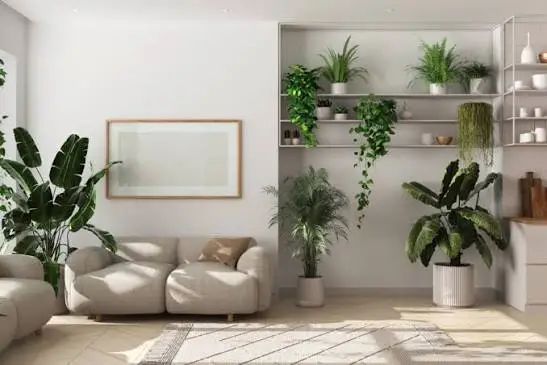
How Professionals Continuously Improve Their Skills
Interior design is a subject that changes with time.
Professionals are always improving their skills by observing, experimenting and learning.
Learning techniques consist of:
• Observing architectural works
• Subscribing to professional journals
• Visiting design exhibitions
• Conducting room layouts
• Knowing about the performance of materials
Developing a good eye is possible only with constant exposure to beautiful interiors.
Conclusion
Knowing how to be better at interior design MintPalDecor means more than just making use of good-looking pieces of furniture and decorations. Good interiors require proper planning, good composition, practicality, effective lighting and overall visual image. Through gaining knowledge about designing basics, understanding what one should not do while designing and using good style tricks, homeowners will be able to turn their plain rooms into stylish and comfortable spaces. Interior design is a continuous process of education and improvement and by following professional recommendations one will be able to create long-lasting beauty at home.
Frequently Asked Questions
How do beginners develop their skills in interior design?
Beginners can learn about the design principles, space planning, color theory, and professionally made rooms in order to improve their skills in interior design. Learning how to be better at interior design MintPalDecor starts with learning the basic things first before moving on to more advanced issues.
Which is the most crucial rule in interior design?
Balance is thought of as one of the most important rules because it gives harmony to the whole space in the room.
How do designers choose the colors for their rooms?
Before choosing the colors of the rooms, designers take into account all kinds of factors like lighting conditions, functions of the rooms, used materials, and emotional effects of the colors.
Is interior design an expensive issue?
Interior design is not always connected with money. Good planning and furniture choices can bring a lot of improvement to the spaces.
Which characteristics make the room look professionally designed?
Proper scale, balanced layouts, layered lighting, cohesive colors, texture variation, and carefully selected accessories contribute to a polished appearance.