
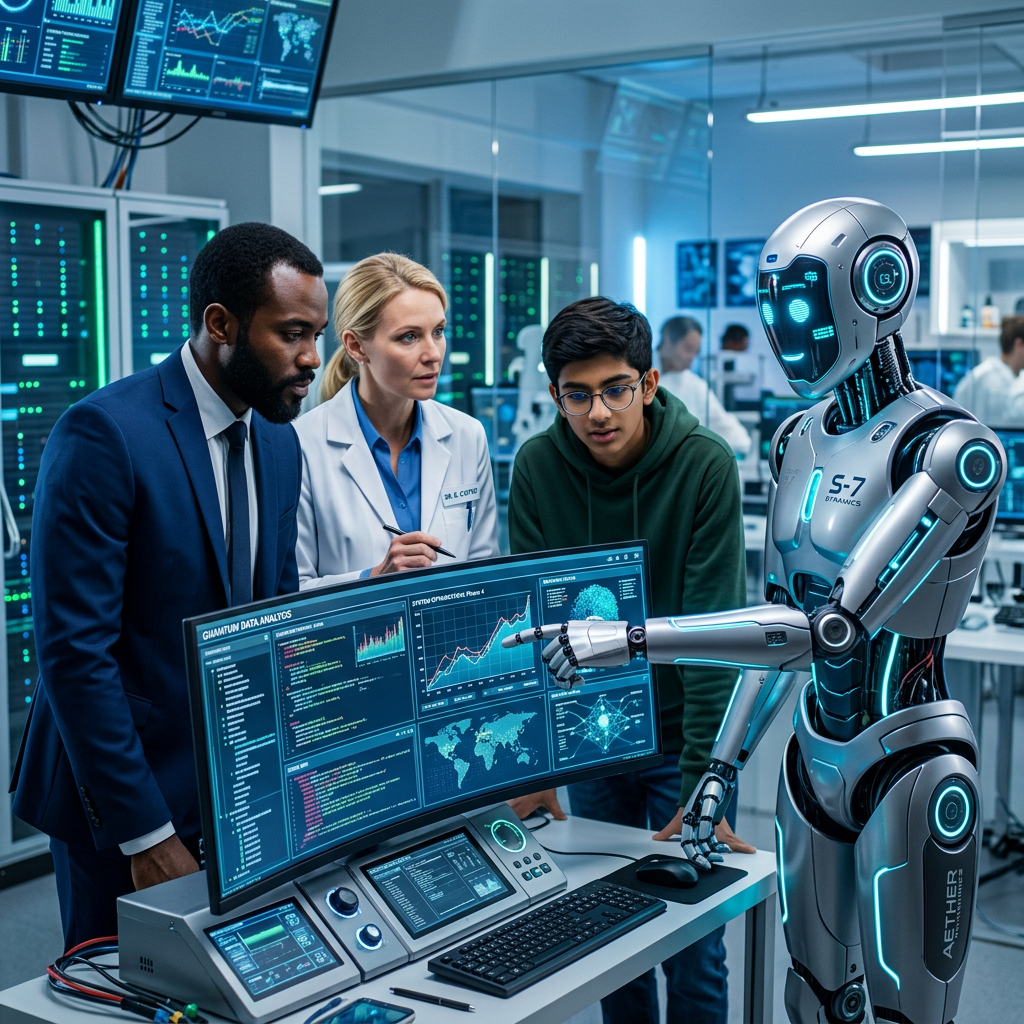
Advanced automation and robotics technology have transformed the very fundamentals of contemporary society. From concepts seen only in futuristic films to being integrated into day-to-day activities such as production plants that churn out millions of items on a daily basis to robots assisting in performing surgical procedures, automation has taken over everything.
It has become possible due to the fusion of advanced artificial intelligence, robotics, machine learning, and sensor-based technologies that together form an entire process that not only executes processes but also thinks and learns from its mistakes for better future performance.
All of these have enabled rapid adoption of automation in various fields like business and governance.
The Rise of Intelligent Machines in Modern Industry
Robotics advancement has transcended the stage of basic mechanization. Modern-day machines can now undertake extremely sophisticated tasks with only minimal human assistance.
In the manufacturing industry, for instance, robot arms operate tirelessly around the clock with remarkable precision, thereby ensuring that fewer mistakes are made during manufacturing processes. Similarly, automated systems in the logistics sector have improved on speed by sorting out and delivering products much quicker than before.
The best thing about the revolution is adaptability, which allows these robots to be reprogrammed and enhanced to perform other jobs.
Artificial Intelligence: The Brain Behind Robotics
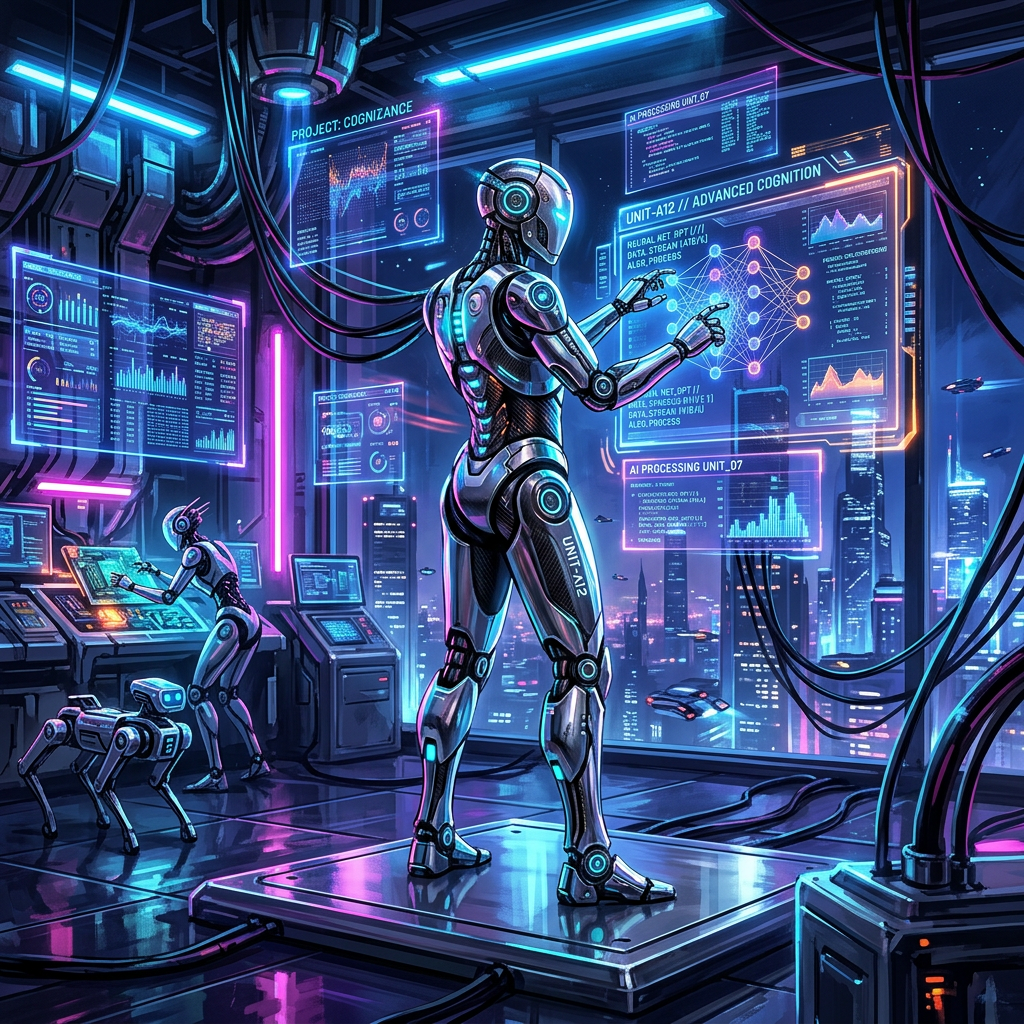
Artificial Intelligence is at the heart of any advanced automation technology. Through Artificial Intelligence, machines are able to learn, analyze, and make their own decision based on information.
For instance:
• Robots in manufacturing plants can identify product flaws more quickly than the human eye.
• Autonomous delivery bots use real-time maps to move around in cities.
• Intelligent assistants coordinate complicated activities in hospitals and businesses.
Machine learning helps them enhance their efficiency without needing constant reprogramming.
Transforming Industries Across the Globe
High levels of automation are not confined to a single sector; rather, they are revolutionizing almost all industries:
Manufacturing and Production
The manufacturing process is being transformed into smart factories, where machines talk to each other to streamline production processes.
Innovation in Healthcare
The advent of robotic surgical devices is carrying out operations that require extremely precise actions.
Revolution in Agriculture
Precision agriculture has been brought about by the development of drones and robots in the agricultural sector to increase productivity.
Transformation in Transportation and Logistics
Automated driving cars and smart warehouses are revolutionizing logistics in terms of speed and efficiency.
It is not mere improvements but a transformation of the entire industry.
Opportunities, Challenges, and the Future Landscape
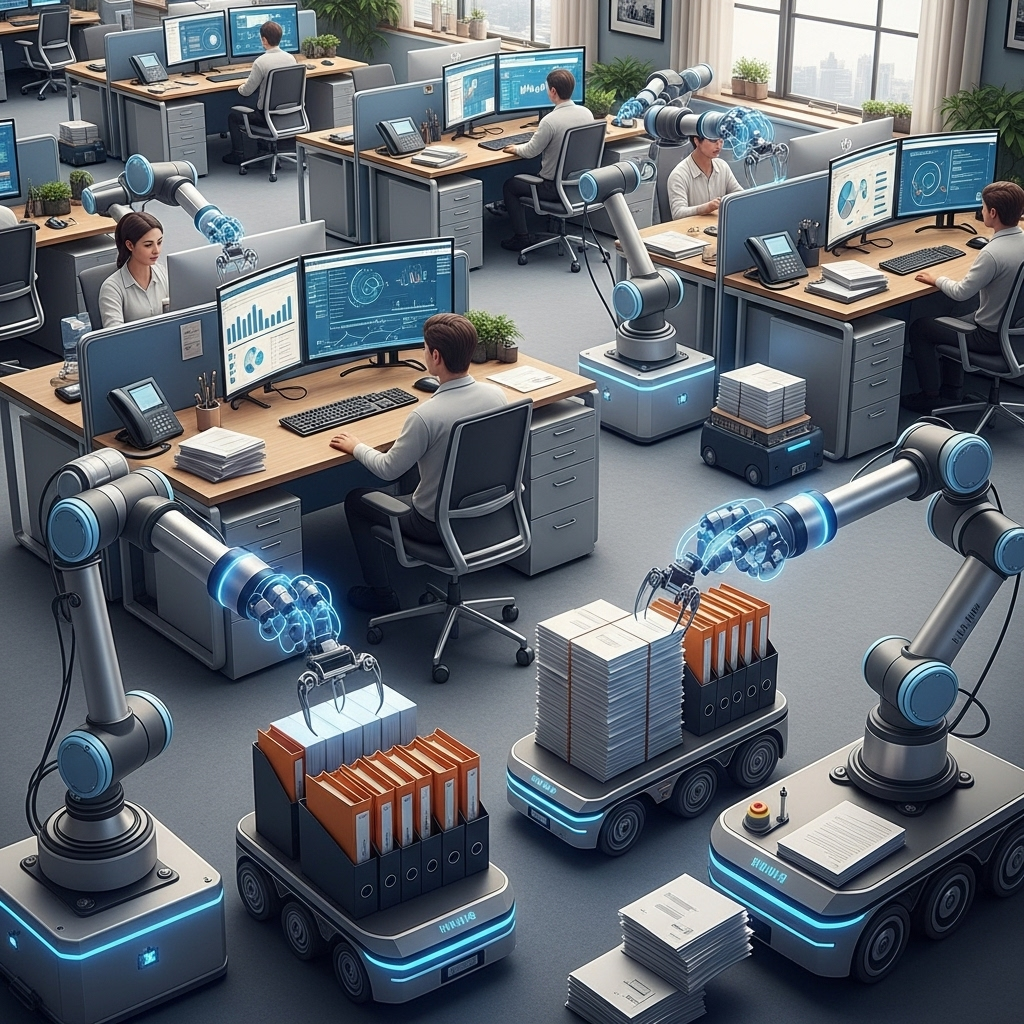
Although automation creates many advantages, it does create certain problems as well. For instance, job loss due to automation in repetitive tasks poses a threat, particularly in manufacturing and data entry industries. Moreover, the expense of automation in its sophisticated form might be too much for smaller organizations.
But the future doesn’t lie in replacement; rather, it lies in cooperation. Humans will take up innovative positions such as strategizing and problem-solving, while machines will perform repetitive jobs.
Possible career options in the coming era may include:
• Designing AI systems
• Employment in robotics
• Maintenance in automation
• Machine learning positions
Conclusion
The advanced automation and robotics technology has done more than revolutionize industries; it has redefined productivity and innovation. With the integration of AI into machinery, we are witnessing the birth of intelligent machines capable of thinking, learning, and evolving.
While hurdles do remain, there is little doubt about the tremendous positive effects that will be experienced over time. The future is in intelligent machines coexisting with humans to create a more productive and advanced society. The future isn’t coming; it’s already here.
FAQs
1. What is advanced automation and robotics technology?
This is a combination of AI, robotics, and intelligent systems that can perform tasks without human intervention.
2. How Does AI Enhance Robots?
With AI, the robots can learn, adapt and be able to make informed decisions based on available data.
3. Industries That Can Benefit from Robots?
They include manufacturing, health care, agriculture, logistics, and transportation.
4. Will Automation Replace All Jobs of Humans?
Automation cannot take away all the jobs; instead, it will eliminate repetitive tasks, while creating new positions for engineers and technologists.
5. Future of Robotics Technology?
The future will be dominated by autonomous robots, robotic industries, and humans working alongside robots in all industries.