
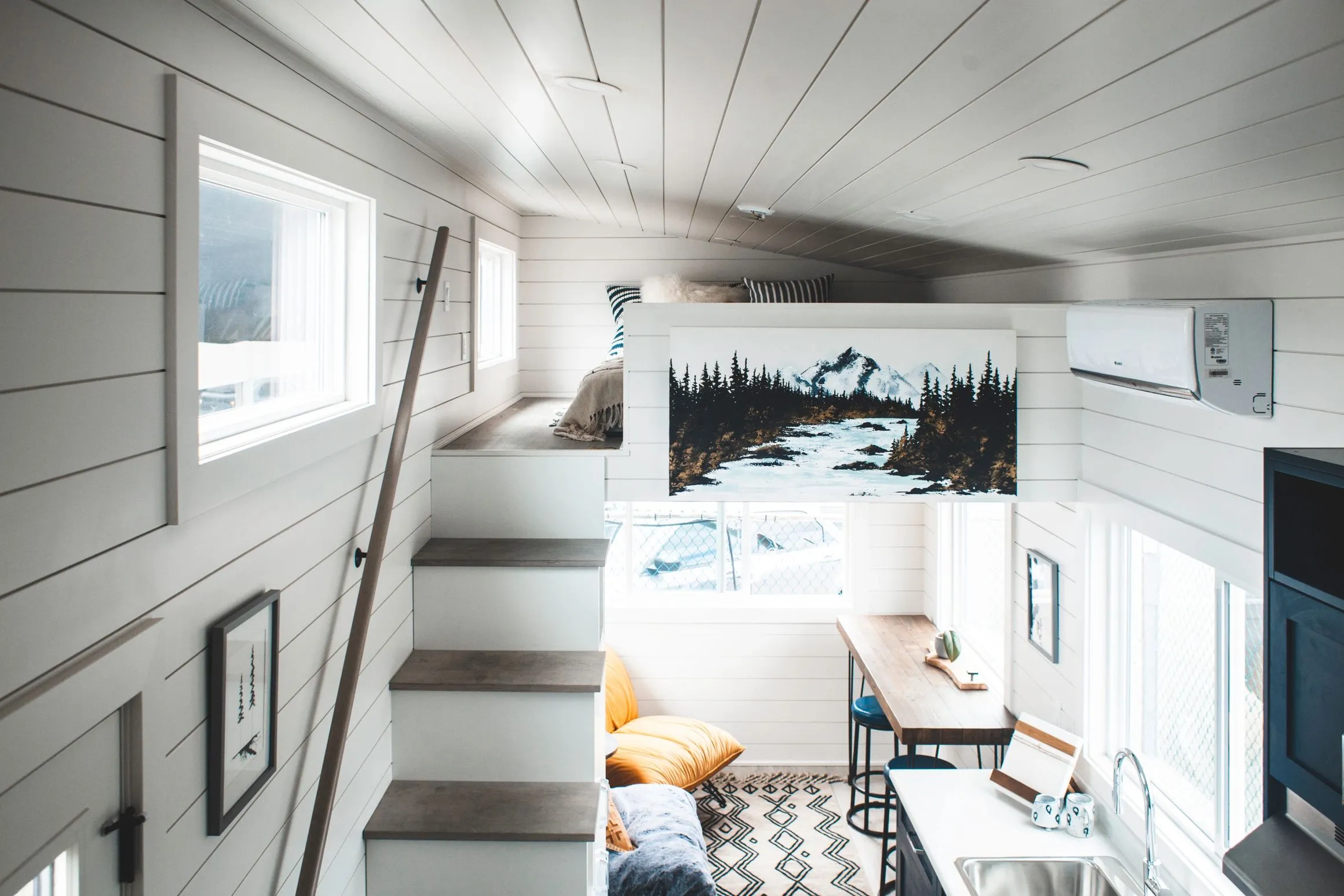
In the past few years, the culture of tiny house living has emerged into a potent lifestyle phenomenon based on minimalism, sustainability, and economic liberation. Individuals across the globe are transitioning from large conventional dwellings to smaller, practical houses that value quality over quantity. This trend is not just about downsizing but rather about efficient living, mental focus, and ecological consciousness.
Contemporary inspirations, such as Japandi design aesthetics and current tendencies in American décor markets, are changing the face of tiny houses. Collectively, these factors are giving rise to a new kind of living – one in which tiny houses have been redesigned as elegant and functional homes.
This piece examines the rising trend of tiny house living along with its design inspirations and trends in both global and US markets.
What is Tiny House Living?
Tiny house living is characterized by the practice of residing in a small but very efficient home that measures between 100 to 400 square feet.
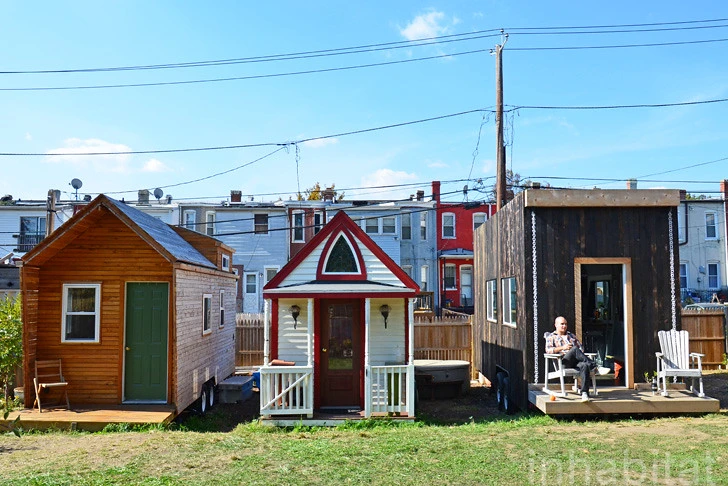
Major concepts involved include:
• Minimalism in daily life
• Furniture with multiple purposes
• Innovative storage options
• Energy conservation
• Use of eco-friendly materials
Living in tiny houses has various motivations, such as cost-effectiveness, easy mobility, and sustainability. Living in tiny houses is very common among young professionals, retired people, and digital nomads.
The keyword “tiny house living” encompasses more than mere dwelling; it embodies a new way of life.
Japandi Style Influence in Tiny House Living
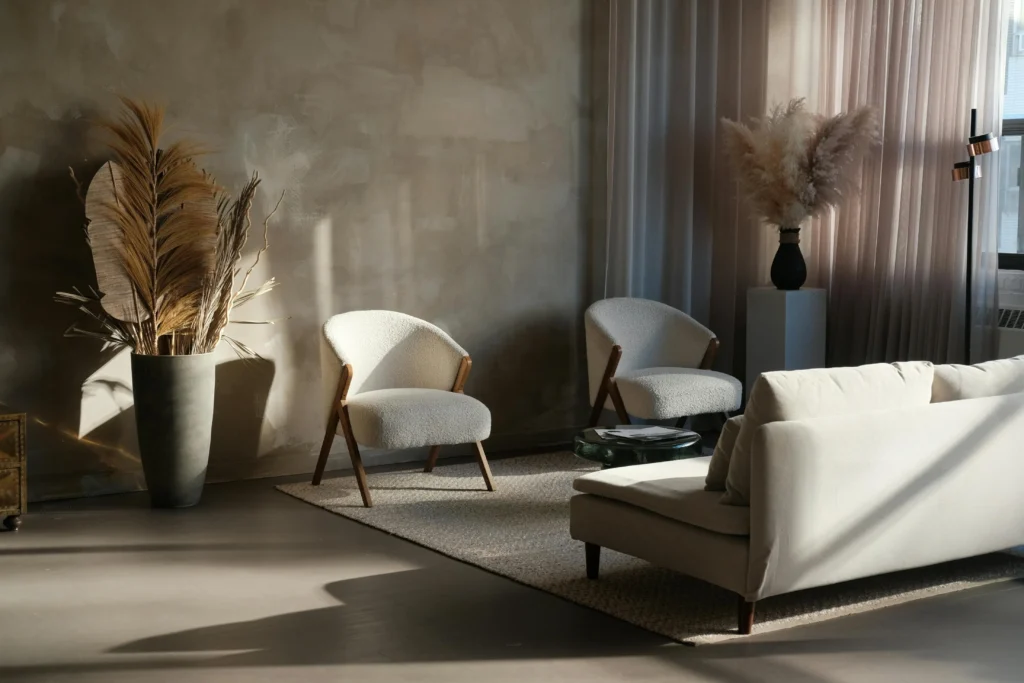
Another popular design trend that greatly influences tiny house living is the Japandi style trend. It is an innovative approach to designing based on the fusion of traditional Japanese minimalist design and Scandinavian practicality and functionality.
Key Characteristics of Japandi Style:
• Moderate color palette (beige, pale grey, natural colors)
• Simplicity, neatness
• Usage of natural materials (wood, bamboo, linen)
• Practical and aesthetically pleasing furniture
• A focus on less and better principle in design
The application of Japandi style in tiny house living allows for the creation of cozy and well-organized interior spaces. In contrast to the excessive decoration of interiors, Japandi design relies on conscious decisions that contribute to the harmonious arrangement of space.
A typical example of a bedroom in a tiny home is a wooden bed with hidden drawers and soothing lighting.
US Decor Markets and Their Impact on Tiny Homes
The development of the US decor markets has had a considerable impact on the trend of tiny house lifestyle. In the USA, there is an increasing demand for space-efficient furniture that has multiple functions and can be adapted to the available space in the apartment.
US Decor Market Trends Promoting Tiny Houses:
• Compact furniture
• Foldable home designs
• Home automation technologies
• Ecological materials for furniture production
• Cost-effective interior design services
At present, retailers operating in the US market have begun to develop their product lines by designing furniture for small apartments. Examples include desk chairs mounted on walls, convertible sofas, and modular kitchen facilities.
Moreover, online shopping platforms and furniture brands that operate in the USA have started to focus on the customers who are interested in downsizing their homes.
Benefits of Tiny House Living
Tiny house living offers many advantages including the following:
1. Cost Savings
The low cost of building, using utilities, and maintaining the tiny homes makes it very economical.
2. Eco-friendliness
With a reduced need for resources, these homes help reduce one’s carbon footprint.
3. Minimalism
With minimal clutter, there will be less distraction, leading to a clear mind.
4. Portability
Most of the homes are mobile; hence offer more flexibility to their owners.
5. Space Efficiency
Tiny homes are made in such a way that they maximize use of available space.
Design Tips for Tiny House Living
To achieve maximum functionality from living in tiny houses, proper design is important.
Smart Designing Techniques Include:
• Utilizing vertical spaces to conserve floor space
• Selecting multifunctional furniture
• Benefiting from natural light for spaciousness
• Basing on minimum colors schemes
• Use sliding doors rather than conventional ones
The integration of the Japandi style with the latest trends seen in the US decoration market will help to ensure that tiny houses stay functional and appealing.
For example, the use of a table that folds on the wall and a bed that serves as a sofa.
Sustainability and Future of Tiny House Living
The concept of sustainability is central to the tiny house living. The increasing population in urban areas makes it necessary to develop small-sized homes.
Green materials for construction, use of solar power, and water conservation measures are common features in contemporary tiny houses.
The effect of Japandi style will ensure that sustainability goes hand-in-hand with aesthetics, while the US decoration market keeps on innovating products that promote efficiency.
The prospects of tiny houses living will expand worldwide due to the growing number of people who desire environmental sustainability and economic freedom.
Conclusion
The idea of tiny house living can be considered a contemporary trend in embracing simplicity, sustainability, and intelligent design solutions. It is based on the principles of Japandi style philosophy that seeks to create a space that is peaceful, minimalist, and efficient. In addition, innovative approaches to interior design from American markets make tiny houses more practical and aesthetically appealing than ever before.
With the growing need for sustainable and efficient living spaces, the practice of living in tiny houses is becoming a lifestyle rather than a passing trend.
FAQs
1. What is tiny house living?
Tiny house living can be defined as living in small and efficient houses emphasizing functionality and simplicity.
2. How does Japandi style complement tiny house living?
Japandi style complements tiny house living by embracing simplicity and functionality, allowing the house to seem spacious and serene.
3. How do US decor markets contribute to tiny houses?
The US decor markets contribute to tiny house living in terms of innovation regarding furnishing and designing the houses.
4. Is tiny house living expensive?
No, because it costs less in terms of building, maintenance, and other expenses related to the house.
5. Is tiny house living sustainable?
Yes, because it emphasizes environmental protection and resource conservation.