
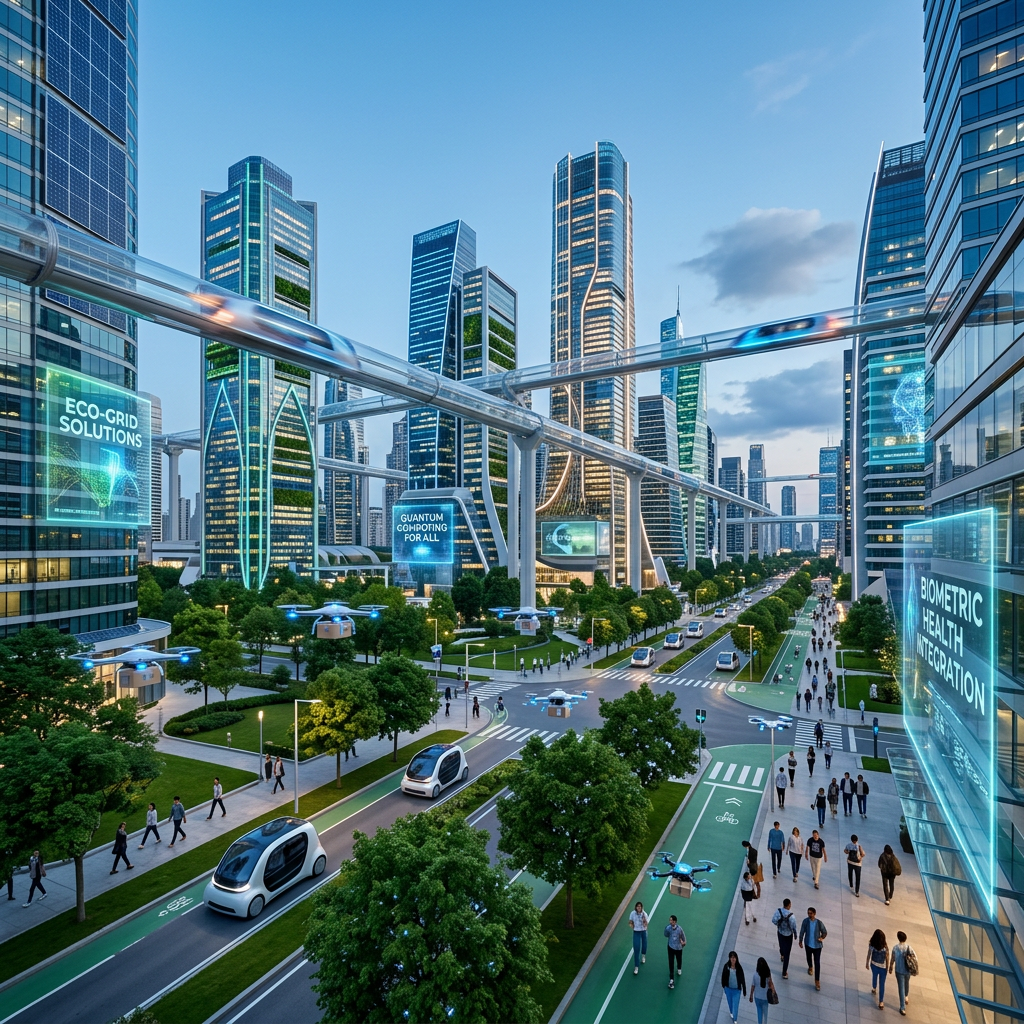
Smart City Technologies have brought about tremendous innovation in modern urbanism as conventional cities get transformed into smart data-based environments. With increasing populations come numerous problems, including traffic, pollution, wastage of energy, and poor quality of public service delivery. In order to address these challenges, governments are implementing intelligent technology solutions.
This is due to integration of AI, IoT, big data analytics, and cloud computing, all of which ensure that city life operates efficiently and sustainably. The use of Smart City Technology can no longer be considered as an option but as a necessity.
What Are Smart City Technologies?
The term Smart City Technology denotes the use of technology-enabled platforms for collecting, analyzing, and applying real-time data to enhance urban services.
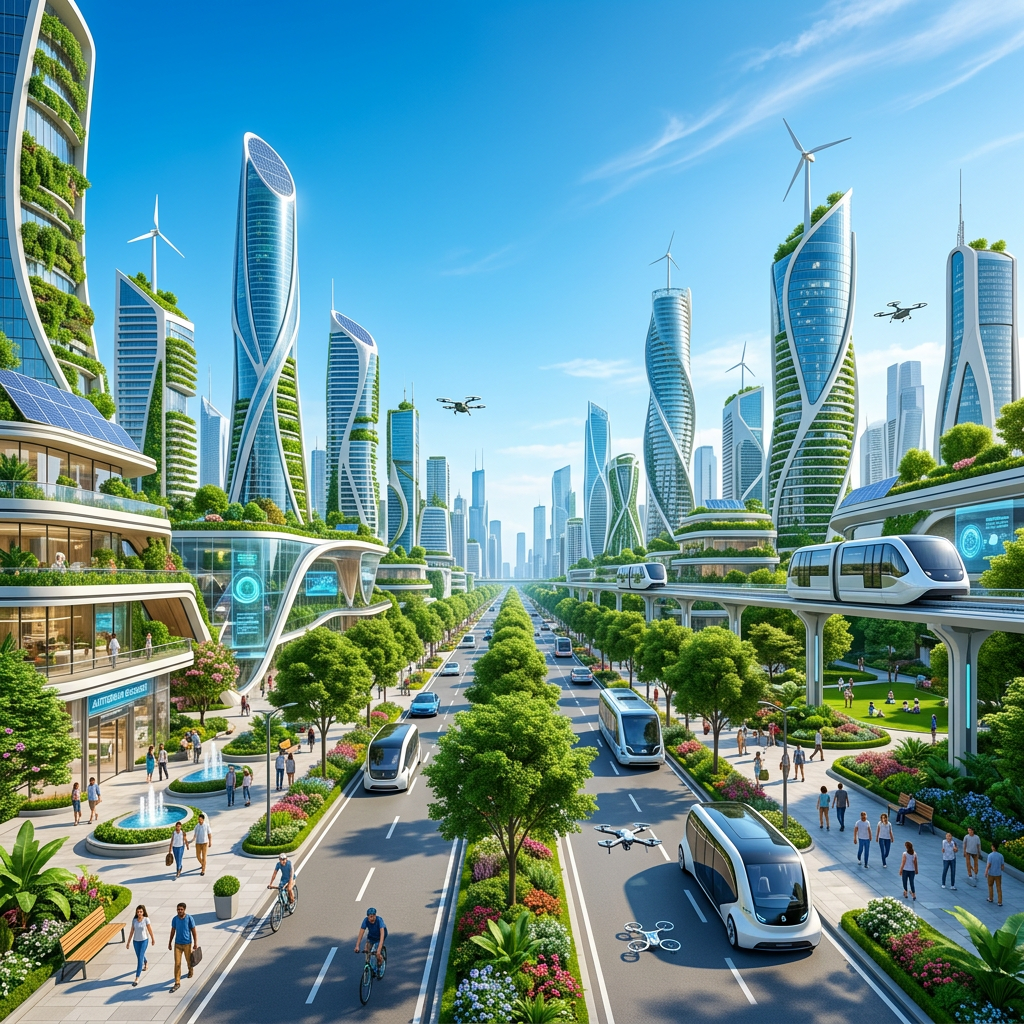
Examples of Smart City Technologies include smart traffic lights that can regulate their timing depending on the flow of traffic, and smart energy systems that ensure there is minimal wastage of energy. There are also smart public transportation services, smart water supplies, waste management systems, and smart security services among others.
Basically, Smart City Technologies enable cities to think and react intelligently.
Key Components
1. Internet of Things (IoT)
IoT is an interconnection between physical devices including sensors, cameras, and equipment, which continually gather real-time data.
2. Artificial Intelligence (AI)
AI analyzes data and makes predictions. The technology enables smart decisions by the city, such as predicting traffic jams or energy needs.
3. Big Data Analytics
Big data transforms enormous amounts of data into valuable information that can help city planners improve services and infrastructure.
4. Cloud Computing
Cloud computing technology stores and manages data, allowing instant accessibility by city officials and departments.
These technologies make up the essential Smart City Technologies.
Benefits
Smart City Technologies present considerable benefits to urban life and public service delivery.
Enhanced Transport System
Smart transport systems cut down traffic jams and improve travel times by saving on fuel.
Energy Efficiency and Environmental Friendliness
Smart grid technologies minimize energy wastage and encourage the use of renewable energy sources.
Increased Safety for Residents
Artificial Intelligence-based safety measures detect possible hazards and react quickly.
Effective Waste Disposal
Smart waste disposal systems increase efficiency in waste disposal operations.
Improvement in Quality of Life
Residents benefit from quick and efficient service delivery.
Challenges in Smart City Technology Implementation
However, Smart City Technologies also encounter problems, such as:
• High Cost of Implementation: Smart city construction demands substantial funding.
• Security and Privacy Threats: Massive data collection poses risks to privacy and security.
• Cybersecurity Challenges: Smart technology systems need safeguarding from cybersecurity threats.
• Issues with Integration: Existing systems are incompatible with smart technology.
Planning and government-private partnership are key to addressing these problems.
Future of Smart City Technologies
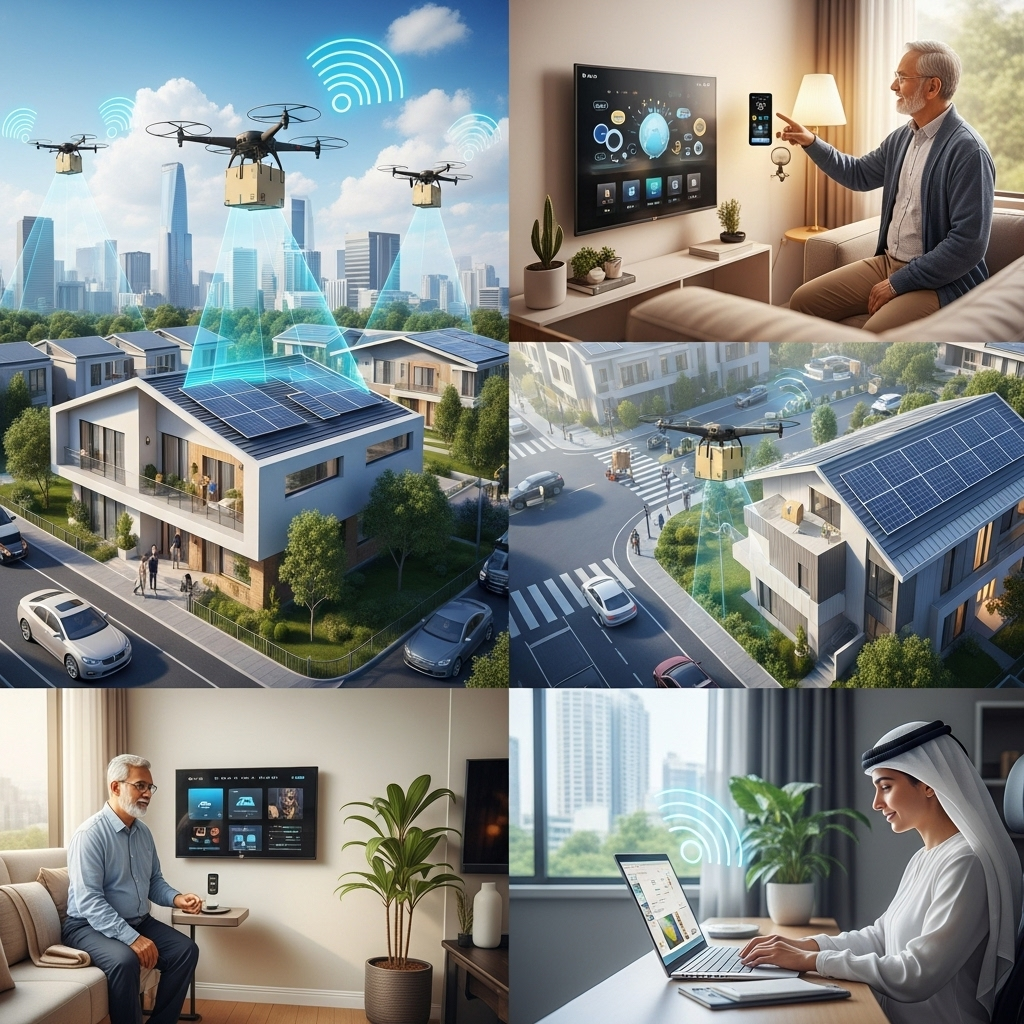
The future for Smart City Technologies is bright. As the technology continues to develop, cities will become increasingly autonomous and intelligent.
In the future, we can expect smart cities to feature:
• Autonomous cars and intelligent transportation networks
• Healthcare services powered by artificial intelligence
• Smart buildings that monitor their own energy consumption
• Intelligent urban management systems
All of these innovations will make cities safer, smarter, and more sustainable.
Conclusion
The use of Smart City Technologies will help to revolutionize the concept of city building in the coming years. With the implementation of technologies such as AI, IoT, and data-driven systems, the cities of today will be able to solve problems related to pollution, traffic congestion, and energy inefficiency.
Despite obstacles such as costs and cybersecurity, the advantages of implementing smart city technologies outweigh the disadvantages. Implementing smart city technologies improves living standards, promotes sustainable practices, and boosts economic development.
FAQs
1. What are Smart City Technologies?
Smart City Technologies are advanced technological solutions that leverage AI, IoT, and Big Data Analytics for effective city management.
2. Why are Smart City Technologies significant?
These technologies contribute to resource management, pollution control, transportation improvement, and enhanced security.
3. How can IoT be utilized in smart cities?
IoT allows connectivity between devices and facilitates data collection for decision-making and automation processes.
4. Are Smart City Technologies expensive?
Yes, the initial investment is costly, but in the long run, they prove to be cost-effective.
5. What lies ahead for Smart City Technologies?
The future comprises automation through AI, intelligent transport systems, and a holistic approach towards cities.