
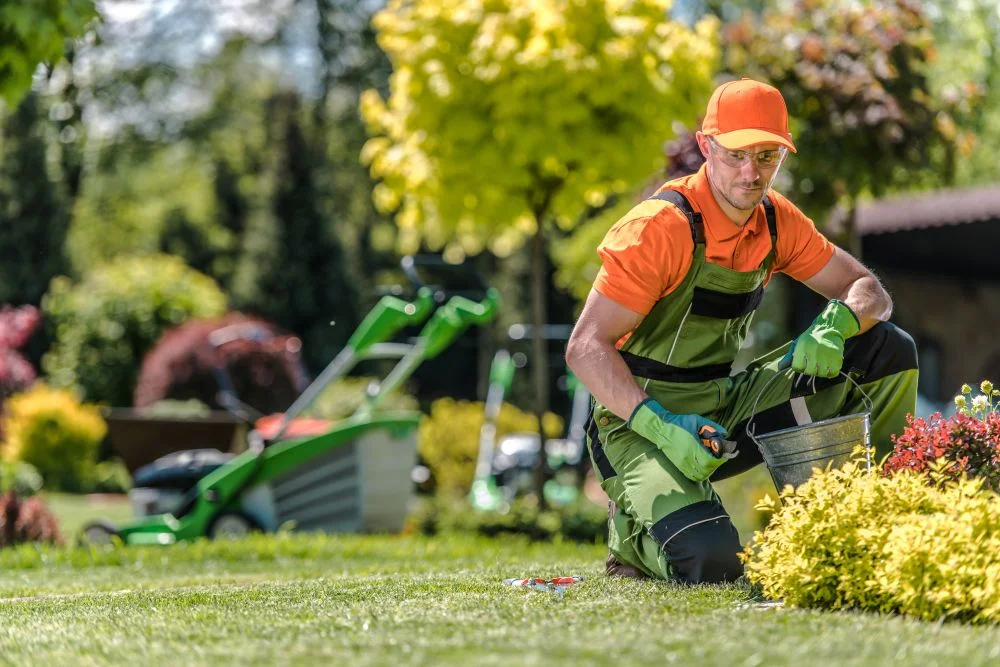
Growing a garden is not just about planting flowers; it’s about creating an oasis outside your house. No matter whether you have a small backyard or large lawn, the way you do things is all that matters in transforming your outdoor spaces. The garden guide homenumental is a comprehensive guide for newbies and experienced gardeners who want a flourishing garden without any hassles. From selecting plants to ensuring soil fertility, all your concerns will be addressed here.
Understanding Your Garden Space
Take some time to familiarize yourself with the surroundings before getting into gardening. Note the amount of light that your garden gets throughout the day. While some plants require lots of sunlight, other plants need shade. The type of soil is equally important because different soils harbor different plants.
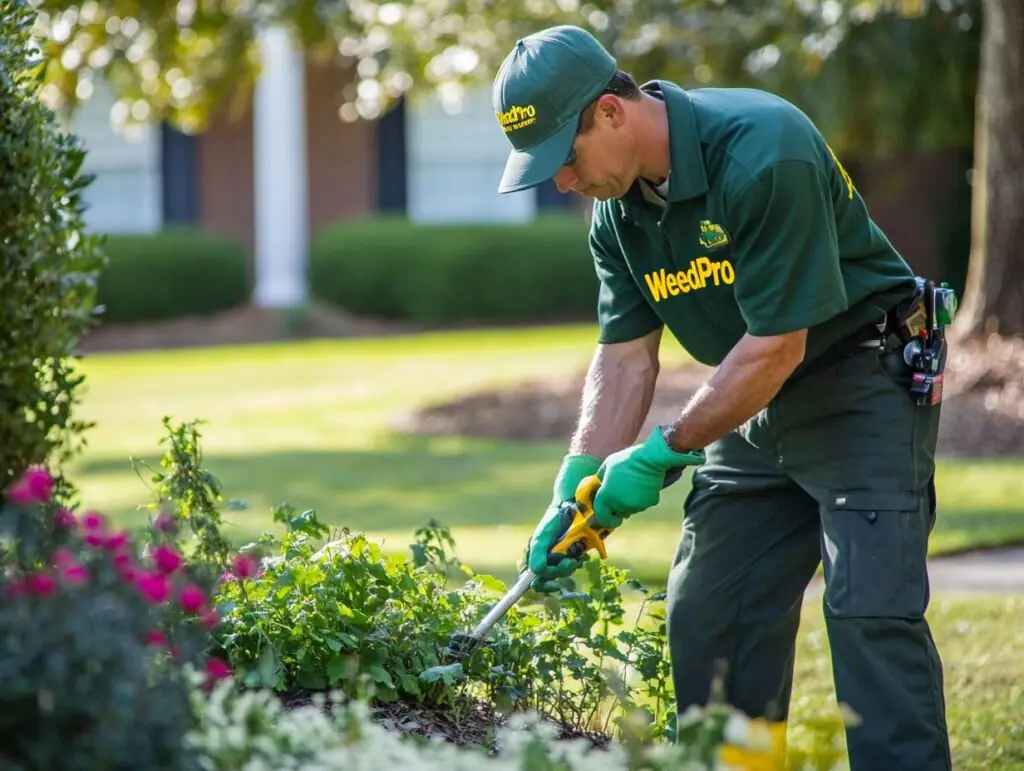
Lastly, think about your climate. In case you stay in hot weather zones, consider growing plants that survive in drought conditions. Gardening should begin by being aware of your surroundings, which is what this garden guide homenumental suggests.
Choosing the Right Plants
Plant selection is key to gardening success. Choose easy-to-grow, low-maintenance plants if you are new to gardening. Basil, mint, tomatoes, and marigold are some of the easiest plants to cultivate.
It’s also a good idea to choose native plants because they thrive in local conditions and need minimal maintenance. Using a combination of flowers, vegetables, and shrubs can create an interesting garden that will flourish.
The garden guide homenumental advises gardeners to map out their plants first to avoid having too many growing close together.
Soil Preparation and Fertilization
Good soil forms the backbone of any successful garden. Prior to planting, it is essential to loosen up the soil and add compost. Compost not only enhances soil texture but also provides vital nutrients and water retention capacity.
Over-reliance on artificial fertilizers should be avoided. Instead, organic fertilizers such as compost, manure, or natural fertilizers can be considered. Soil testing will also help you identify which nutrients your garden lacks.
According to this garden guide homenumental for your home garden, proper soil preparation leads to better plant growth.
Watering and Maintenance Tips
Watering might appear straightforward, but it plays a crucial role when done right. Plants require deep watering rather than shallow watering on a daily basis. The optimal time for watering should be early in the morning or late in the evening to prevent evaporation.
Maintenance is just as significant as watering. Weed removal, leaf pruning, and monitoring of pests are vital activities. You can avoid using chemical substances by utilizing natural pest repellents like neem oil and companion planting.
Garden guide homenumental stresses the need to establish a schedule for keeping your garden healthy and alive.
Designing a Beautiful Garden Layout
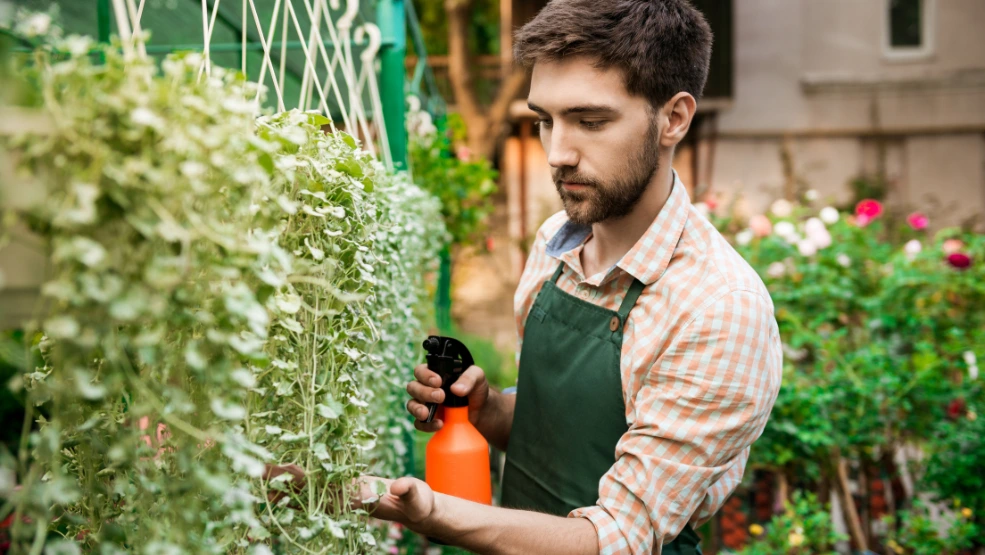
Gardens need to be healthy but also beautiful. You will need to consider factors such as colors, height, and bloom season. Place the tallest plants on the far end while the shortest ones on the front.
You can add other features like pathways, benches, and flower pots for aesthetic purposes. Gardens can look extravagant regardless of their size by simply applying some ingenuity.
This home and garden guide homenumental inspires you to be creative because your garden should represent your unique style and preferences.
Conclusion
Creating a garden demands patience; however, the payoff is immensely fulfilling. With proper understanding and some work, you will have the garden of your dreams. The garden guide homenumental will provide you with the perfect blueprint to turn your dream garden into a reality. Take baby steps, remain consistent, and your garden will thrive eventually.
FAQs
1. What is the garden guide homenumental?
It is an easy way of gardening that emphasizes planning, plant choice, and sustainable gardening practices.
2. How often do I water my garden?
Gardens usually require water twice or thrice a week.
3. What plants are ideal for beginners?
Ideal plants for beginners are basil, mint, tomatoes, marigolds, and succulents.
4. How can I improve the quality of soil naturally?
Compost, organic materials, and natural fertilizers can be used to improve soil quality.
5. Can I practice gardening in a confined area?
Yes, gardening in confined areas can be done through container gardening and vertical gardening.